
Basics of the Economy: What Everyone Should Understand
As you swipe through headlines about inflation or other basics of the economy, you might find yourself listening to debates on interest rates or trying to understand why your groceries cost more this month. Almost every facet of our lives is influenced by the economy. To many, “the economy” seems to be a puzzling sequence of numbers, procedures, and terminology that is best left to the professionals. However, understanding a few primary principles of economics will help you make wiser financial judgments, and appreciate the broader context when it comes to prices, jobs and markets.
Key Building Blocks of the Economy
Supply, demand, goods, services, markets, and prices are the fundamentals of how economies run. These aren’t extravagant words—you run into them daily.
Supply is the amount of something that is available. Imagine a lemonade stand with 10 cups ready to go—that’s the supply.
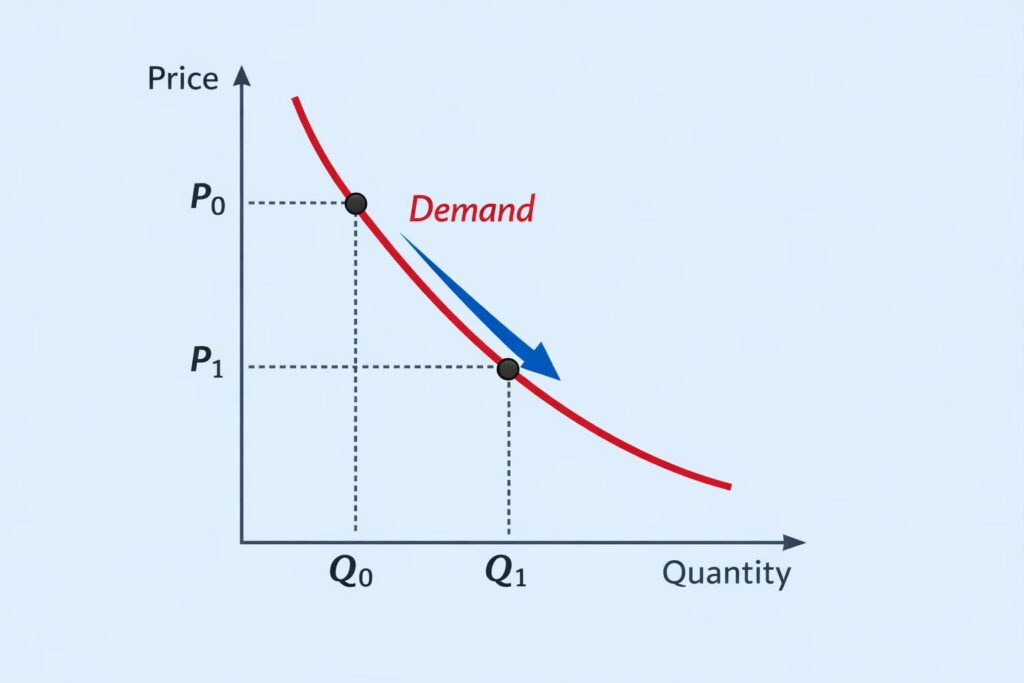
Demand is all about how much people want something. The sun is blazing, and half your neighborhood is lining up for lemonade—demand just soared.
Goods are items you can physically touch, like a laptop or a frying pan.
Services are what other people do for you—haircuts, fixing your car, or walking your dog because you’re exhausted.
Markets are places where buyers and sellers meet. This could be a major stock exchange or your local farmers’ market.
Prices ease the matching of supply and demand. If everyone wants your lemonade, you could increase the price. If nobody cares, maybe it’s time for a discount.
Ever noticed that every time a game console becomes a highly coveted Christmas gift, the price goes up? Classic supply-and-demand move. Investopedia’s explanation of supply and demand breaks this down with more examples.
Even a small purchase at the store introduces us to fundamental aspects about the economy. If you put bananas on sale, shoppers buy more. When the price of bananas rises, they start seeing oranges and pears as more appealing options. All these little choices people make every day add up and shape the economy—though not everyone realizes it. For more stories on how supply and demand play out, see these real-life examples.
How the Big Picture Works: Macro and Microeconomics
Economic thinking is divided into two main branches: microeconomics and macroeconomics.
Microeconomics looks at the small stuff—like buying dinner or figuring out how to pay for your car.
Macroeconomics zooms out to the big issues: unemployment, GDP growth and inflation.
The decisions you make every day—say, choosing the off-brand cereal instead of the one with the cartoon tiger—fall under microeconomics. But when public budgets are at stake, macro trends like shifts in consumer spending or business profits can end up steering economic policies globally.
Perhaps people in a specific geographic area start losing their jobs, and a little trouble here may spiral into a major event. If you want to see how, you can read up on macroeconomics’ big topics.
Inflation and Why Prices Change
Inflation is when the prices of goods and services rise over time. Maybe bread was $2 last month, and now it’s $2.25—that’s inflation showing up in your grocery cart.
The price surges can take the slow road up, other times they seem to jump overnight. Inflation can happen because:
Companies pay workers more, so they raise prices to cover it.
There is more money in the system, so each dollar is worth a little less.
Factors outside the house—such as a drought that makes wheat (and thus bread) expensive.
Most of us feel inflation right at the store. A lot of inflation is not a good sign for the economy, a little bit of it pushes people to keep working and spending.
Unemployment and the Job Market
Unemployment sounds pretty straightforward. It’s just people who want jobs but can’t find one. When unemployment rises, more people are stuck searching for work. When it drops, more folks have jobs and cash to spend.
If you hear that “unemployment has dropped to 4 percent,” it means that only four out of every hundred people who want jobs can’t find them. The job market is in permanent flux. New technology comes along and replaces the old stuff, and whole industries are remodeling their operations. This keeps the job market in constant motion.
Money, Government, and Economic Policy
The government has two main levers to keep the economy on track: monetary policy and fiscal policy.
Monetary policy means adjusting interest rates or the amount of money in circulation. Lowering rates makes borrowing cheaper, so people are more likely to buy cars or homes. Raising rates makes borrowing more expensive.
Fiscal policy focuses on government spending and taxation. Increasing spending—say, to repair roads—puts people to work and spark other business activities. Cutting taxes leaves more money in the hands of people and businesses to spend or invest. These are all attempts to keep the economy growing at a steady pace without letting prices skyrocket.
Monetary policy acts more swiftly in practice, while fiscal policy can target specific sectors or groups within the economy. For a closer look at these ideas, check this IMF explanation.
Conclusion
Once you get a firm grip on how the economy works, all of this everyday financial news will make much more sense. Things like the cost of gasoline rising or the employment figures fluctuating will not look so puzzling. Instead of just nodding along when others discuss economic trends, you’ll actually know what’s going on.
Understanding the basics of the economy is one thing, but furthering and applying that knowledge to benefit from it is another. But don’t worry, we’re here to help.
Join our newsletter
Benefits You Can Expect

Master Economic Concepts
Explore key economic concepts as well as topics like monetary policy and global markets, all presented in clear and engaging episodes.
Analyze Real-World Trends
Gain practical insights and real-world case studies from around the globe, showing what works (and what doesn’t) in economic policy and wealth distribution.
Explore Innovative Solutions
Learn about emerging economic solutions and explore how government redistribution mechanisms shape societies.

How it works

Step 01: Enroll & Get Instant Access
Once you sign up, you’ll receive access to all curated episodes, organized so you can learn at your own pace. Even if you're a complete beginner, the platform guides you smoothly into your learning path.

Step 02: Learn Through Clear, Engaging Episodes
Watch short, focused videos that break down complex ideas—global markets, inflation, policy debates, and more—into simple, visual, and relatable explanations.

Step 03: Apply Your Knowledge & See the Results
Use your new expertise to interpret the news confidently, make smarter financial decisions, and navigate the economy with clarity.
Here's What You'll Get
Curated multi-episode video series – Get a cohesive learning journey that builds your knowledge step-by-step.
Coverage of key topics – Gain a broad yet comprehensive grasp of today’s most important economic issues, enabling you to gain insight into trends, policies, and real-world financial dynamics.
Clear, structured explanations – Not only will you learn the basics of the economy, but you will also understand ideas that seem difficult or too technical to apply.
Real-world examples – See how concepts work in practice, which improves recall, relevance, and your ability to connect theory to everyday events.
Visual storytelling – Learn faster and retain information longer through engaging visual explanations.
Expert commentary – Gain confidence that the insights are accurate, reliable, and up-to-date—similar to having an economist walk you through the material.
Content applicable to multiple audiences – Get a versatile resource that fits your background and goals—whether you’re learning the basics of the economy, refreshing knowledge, or applying it in academic or professional contexts.